
The Influence of Feng Shui Principles in Modern Interior Design

Feng Shui is an ancient Chinese philosophy focused on harmonizing individuals with their surrounding environment. At its core, Feng Shui emphasizes the flow of energy, or “chi,” within a space, seeking to create balance, health, and positive energy. Key concepts include furniture placement, room orientation, the use of natural elements, and the careful selection of colors and textures. In modern interior design, these principles are adapted to contemporary aesthetics while maintaining their foundational goal of enhancing wellbeing. Understanding the philosophy behind Feng Shui provides insight into how spatial arrangement and design choices can influence mood, comfort, and overall harmony within a living environment.
Optimizing Space and Layout
One of the primary applications of Feng Shui in modern interior design is optimizing space and layout. The arrangement of furniture, pathways, and functional areas can either support or obstruct the flow of energy. Designers often emphasize open spaces, clear pathways, and strategic furniture placement to promote movement and balance. In contemporary homes, this translates into layouts that maximize natural light, reduce clutter, and create functional zones while maintaining aesthetic appeal. Thoughtful spatial planning inspired by Feng Shui encourages both physical and psychological comfort, fostering environments that feel organized, calm, and inviting.
Incorporating Natural Elements
Feng Shui encourages the use of natural elements such as wood, water, earth, fire, and metal to create harmony within interior spaces. In modern design, these elements are integrated through furniture materials, decorative accents, water features, plants, and lighting. Incorporating natural components not only supports positive energy flow but also enhances sensory experiences, promoting relaxation and mindfulness. For example, indoor plants can improve air quality and introduce vitality, while water features can create calming sounds and visual interest. By thoughtfully integrating these elements, designers create environments that balance aesthetics with the functional benefits of natural influence.

The Role of Color and Light
Color and lighting are central to Feng Shui’s impact on mood and energy. Each color is associated with specific qualities, such as warmth, tranquility, or stimulation. Modern interior design applies these principles by selecting color palettes that support the intended atmosphere of each room. Likewise, natural and artificial lighting is positioned to enhance openness, highlight architectural features, and ensure comfort. Balancing light and color not only improves visual appeal but also strengthens emotional responses and psychological wellbeing. Feng Shui-inspired choices in these areas help create cohesive, vibrant, and harmonious spaces that align with human needs.
Creating Balance Between Functionality and Aesthetics
Feng Shui principles encourage a balance between functionality and aesthetics, ensuring that spaces are not only visually pleasing but also supportive of daily life. Modern design often emphasizes minimalism, clean lines, and multifunctional furniture, which aligns with the Feng Shui focus on clear energy flow and uncluttered environments. By integrating these concepts, designers can create spaces that are practical, comfortable, and inspiring. The resulting interiors foster a sense of harmony, allowing occupants to feel both productive and relaxed while maintaining a contemporary, stylish appearance.
Feng Shui continues to influence modern interior design by guiding spatial arrangement, the integration of natural elements, color and lighting choices, and the balance between function and aesthetics. By thoughtfully applying these ancient principles, designers create environments that promote wellbeing, comfort, and harmony. Modern homes that incorporate Feng Shui not only achieve visual appeal but also support positive energy flow and emotional balance. Understanding and implementing these concepts enables interior spaces to be both beautiful and nurturing, demonstrating how traditional philosophies can enhance contemporary living environments.…





 One of the best ways to improve your home’s air quality is to keep some greenery outdoors. Plants help filter out pollutants and toxins from the air, so they’re a great way to keep the indoor air quality clean. If you don’t have a green thumb, don’t worry – plenty of low-maintenance options are perfect for beginners. For example, succulents are a great choice because they don’t require much watering or care.
 One of the simplest ways to improve your home’s air quality is to open your windows regularly. This will allow fresh air to circulate through your home and help remove any stale or stagnant air. If you live in an area with high pollution levels, you may consider investing in an air purifier with a HEPA filter. This will help remove any harmful particles from the air before they can enter your home.
 If you want to sell your home fast, you must ensure potential buyers know it’s on the market. The best way to do this is to list your home on as many online real estate platforms as possible. It would help if you also took out local newspaper ads and flyers in strategic locations. Aside from that, good photos and videos of your home are a must.
 Another reason why your home may not be selling is because of structural issues. This can include things like foundation problems, water damage, or cracks in the walls. These types of issues can be a huge turn-off for potential buyers, as they often indicate that the home is not well-maintained. If you have any structural problems with your home, it’s essential to get them fixed before putting your home on the market.
 Granular-activated carbon (GAC) filters are the most popular type of whole-house water filter. GAC filters work by adsorbing contaminants from water as it passes through the filter. The GAC filter will need to be replaced periodically, depending on the quality of your water and the amount of water you use. Moreover, GAC filters are not effective at removing dissolved minerals from water. But it is good at removing chlorine, pesticides, and other chemicals.
 Aside from water softener systems, a reverse osmosis filtration system is another option for filtering hard water. Reverse osmosis (RO) filters work by forcing water through a semi-permeable membrane. The membrane only allows water molecules to pass through while rejecting larger contaminants. RO filters are very effective at removing dissolved minerals from water. However, they are also the most expensive type of whole-house water filter.
 Last but not least, we have ion exchange filters. Ion exchange filters work by exchanging the ions in water for other ions. The most common type of ion exchange filter is a sodium-based filter. Sodium-based filters are very effective at removing dissolved minerals from water. However, they are not as effective at removing chemicals and other contaminants.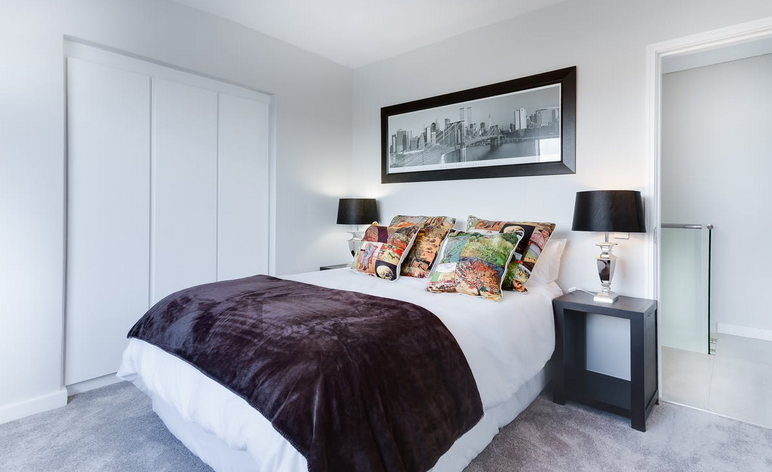
 This may seem like an obvious place to start, but it really does make a difference. A made bed just looks and feels neater, which will help set the tone for the rest of your cleaning. Not to mention, it’s one less thing you have to do at the end of the day.
 This is the last step in cleaning your room. Be sure to move any furniture so you can reach all the corners and edges. Once you’re finished, put everything back in its place and enjoy your clean bedroom.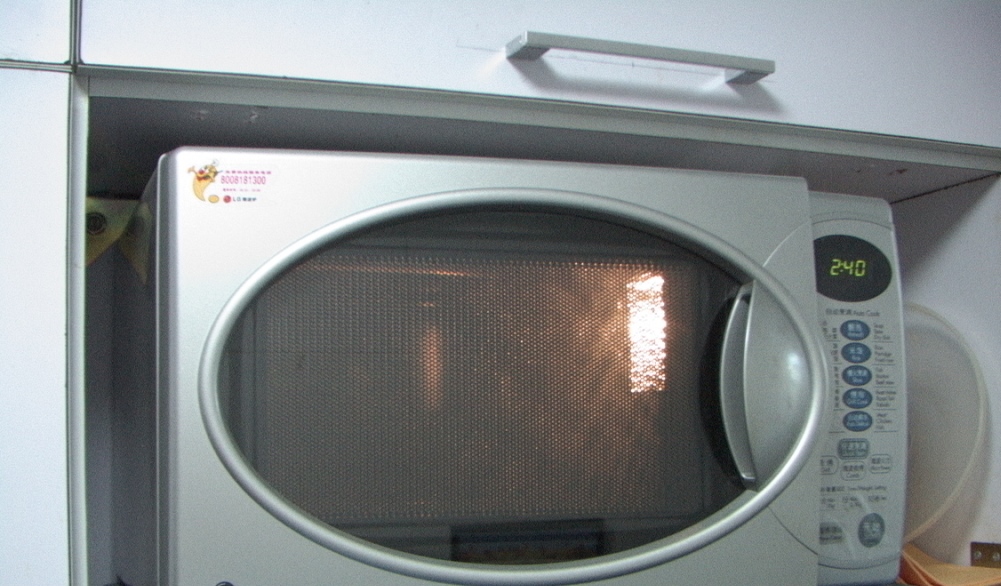
 They are smaller than a regular microwave. They cook the same way as a full-size one does. The only difference is that the cooking area is smaller. They use the same volts as a large one does. The mini microwave is perfect for small kitchens. They would make a great gift for a college student as well.
 Nowadays, camping has gotten easier. If you have an RV, then having a mini microwave is perfect for you. Even if you are camping in a tent, most camping areas come with an outlet, or you can run a generator. This will allow you to bring all your favorite foods with you when you are camping. This will also help you avoid sitting over a fire all day long.…
 One advantage of having HVAC installed in your home is that it makes the family stay healthy for a longer time. Too much cold and also very hot temperatures are not good for one’s body and health. HVAC regulates the temperature of your home, and so it is less likely for you to suffer from common diseases. During the winter, those who do not have HVAC installed are more likely to suffer from colds and flu while during the summer, apart from one sweating profusely, the heat will also make him prone to heat stroke.
 HVAC, therefore, will go a long way in maintaining your budget. This is because you will not keep on buying new appliances to replace those that are not functioning and you will not spend a lot of resources in buying pills or going to the hospital in case you fall sick from temperature caused diseases.…
 Like what was mentioned earlier, there are several issues involving home repair that may come your way as a homeowner. The first thing that comes to some people’s minds is to call a professional to do the task. But why do that if you know that you can do it yourself? As long as you have a plan and you know what you need to do to take care of the problem, then everything will definitely go smoothly.

